Written by Binary Wiz Team · Updated November 25, 2026 · 7 min read
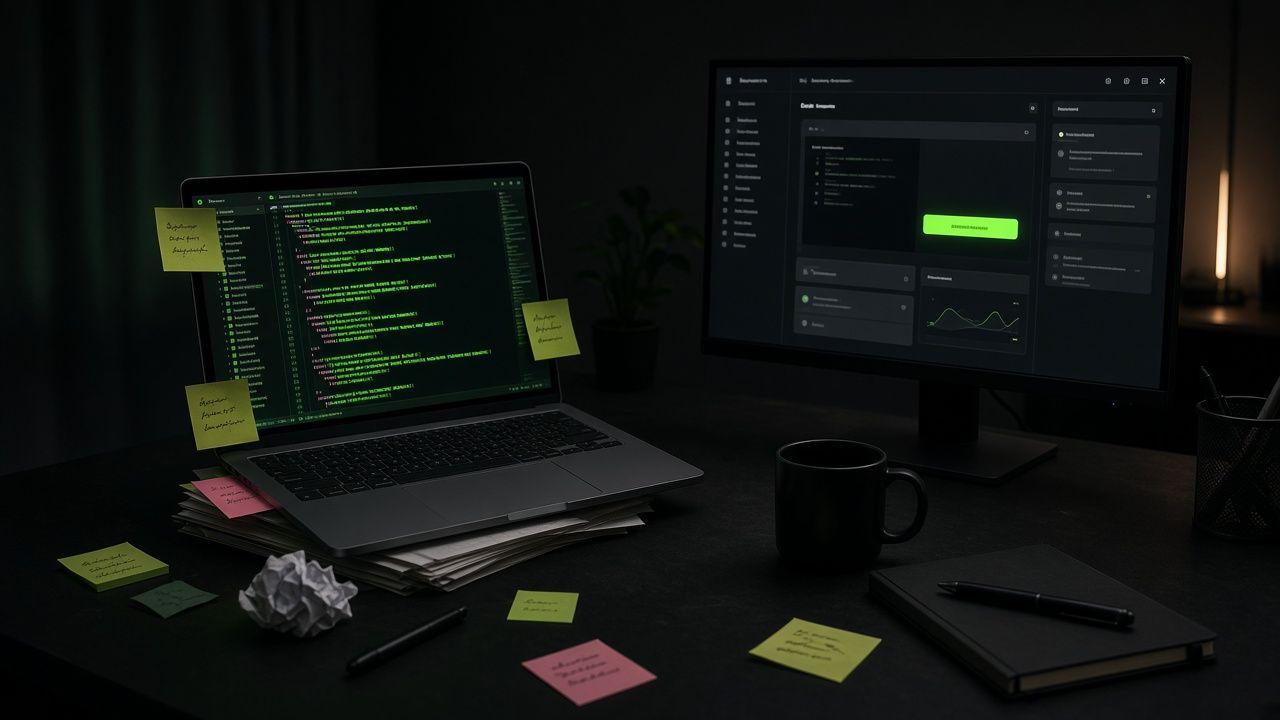
Teams still ask which model to buy. The more useful question this month is what that model is allowed to see, change, and ship. Frontier models are close on everyday coding. The gap shows up in the harness: the instructions, the repo context, the tests, and the box the agent runs in.
A stronger model on a messy repository still invents files, skips the real entry point, and calls it done. A smaller, faster model with a clear task and a failing test often lands the change.
Give the agent a map, not a vibe
Write the rules the way you would brief a new hire. Where the app starts, which folders are off limits, how you name things, and which command proves the change. Put that in the repo so every run sees the same brief.
Point it at the ticket and the test, not at the whole company wiki. Extra context sounds helpful and usually buries the one constraint that mattered.
Use the fast model for the small jobs
A lot of agent work is a rename, a failing check, or a question about a function. A reasoning model that narrates every step makes those slower and more expensive without making them better. Keep the heavier model for the bug you cannot see, and the fast one for the work you can describe in a sentence.
Local or private models belong in the same conversation when the code cannot leave your network, or when the token bill is the thing stopping the team from using the agent every day.
Sandbox before you scale
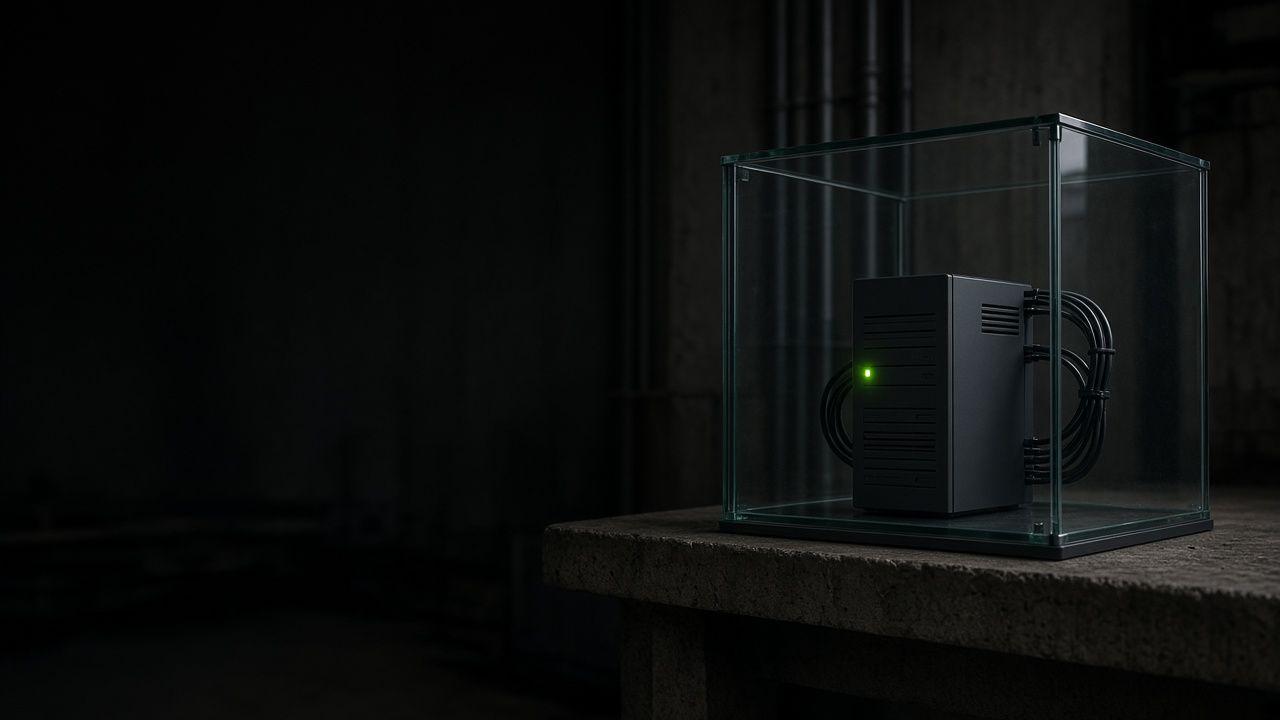
An agent with production credentials is not a productivity tool. Run it where a bad command cannot touch customer data: a branch, a preview environment, and a token that expires. Let it open a pull request. Do not let it deploy because the task said so.
If you cannot watch one run end to end, you are not ready to run ten of them overnight.
Judge the harness, not the demo
When you trial a coding agent, score the setup. Did it follow the project rules? Did the tests you already have catch its mistakes? Could a teammate rerun the task next week without rewriting the prompt?
Swap the model only after that is boring and reliable. Another logo will not fix a repository the agent cannot navigate.
How this shows up in delivery
On client work we treat the harness as part of the build: a short agent brief, a test that fails for the bug, and a preview the team can click. The model is a replaceable piece. The path from task to reviewed change is the product.